
The datasheet tells you the conductor is 150 mm². The route tells you whether it needs alloy wires, grease, an insulated bundle or a fibre core. These are the six application families we support most often.
Four questions determine most overhead conductor specifications. We use them to move from a generic product family to the construction that belongs on the line.
HV and EHV routes where long spans and high tensions dominate conductor selection. ACSR and AAAC are the core constructions.
Recommended range →11–33 kV feeders on wood or concrete poles, mixing AAC for short urban spans with ACSR where tension rises.
Recommended range →Village connections where insulated bundles improve safety, reduce clearances and resist illegal tapping.
Recommended range →Duplex, triplex and quadruplex ABC from the distribution pole to the customer’s meter, with street-light cores where required.
Recommended product →OPGW and aluminium-clad steel earth wires for lightning protection, fault duty and utility telecom along the route.
Recommended range →Collection and export lines for solar parks and wind farms, sized to project loading and grid-code requirements.
Recommended product →| Transmission lines | ACSR for maximum tensile duty; AAAC where corrosion rules out a steel core; ACAR where ampacity must rise. |
|---|---|
| Distribution networks | AAC for short urban spans and substation connections; ACSR for longer rural spans; ABC where clearance or safety demands insulation. |
| Rural electrification | LV ABC quadruplex mains with duplex service drops; bare ACSR feeders where budgets are tight and clearances are easy. |
| Service drops | Duplex, triplex or quadruplex ABC with AAAC or AAC messenger; street-light core added on the same bundle. |
| Shield wire & telecom | OPGW where fibre is needed; aluminium-clad steel where only shielding and fault duty apply. |
| Renewable evacuation | ACSR or AAAC export lines sized to the plant capacity; OPGW for the grid-operator communication link. |
Send us the line voltage, span schedule, conductor loading and environment. We will map it to a construction and explain the trade-offs.
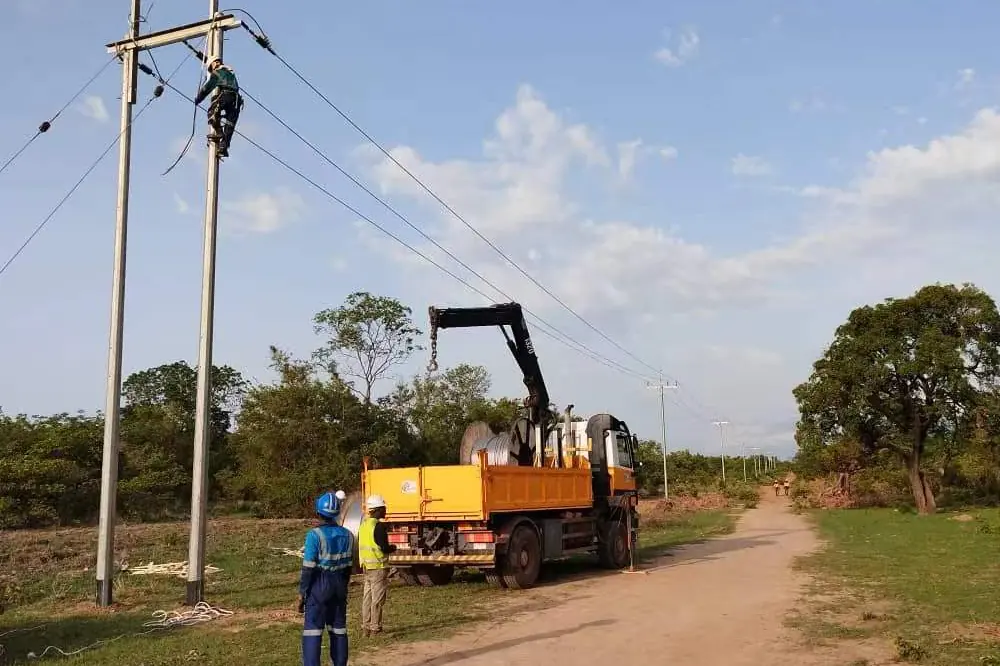
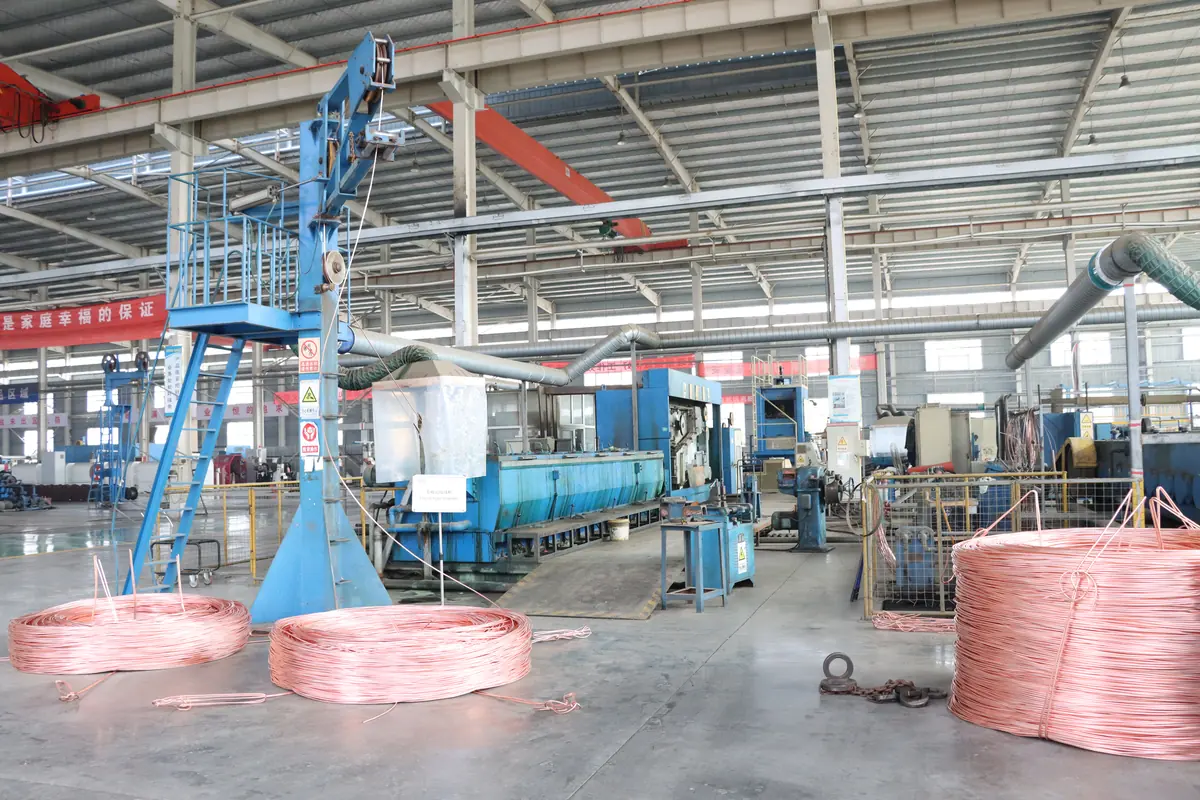
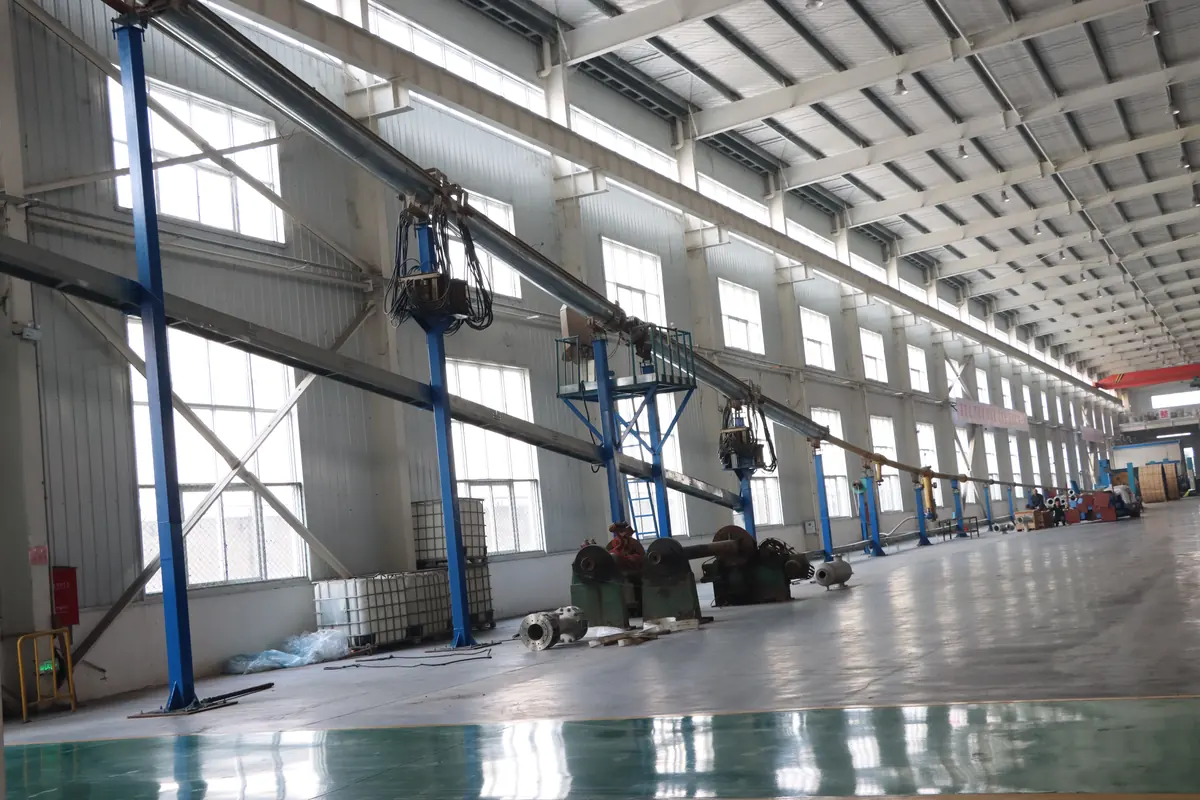
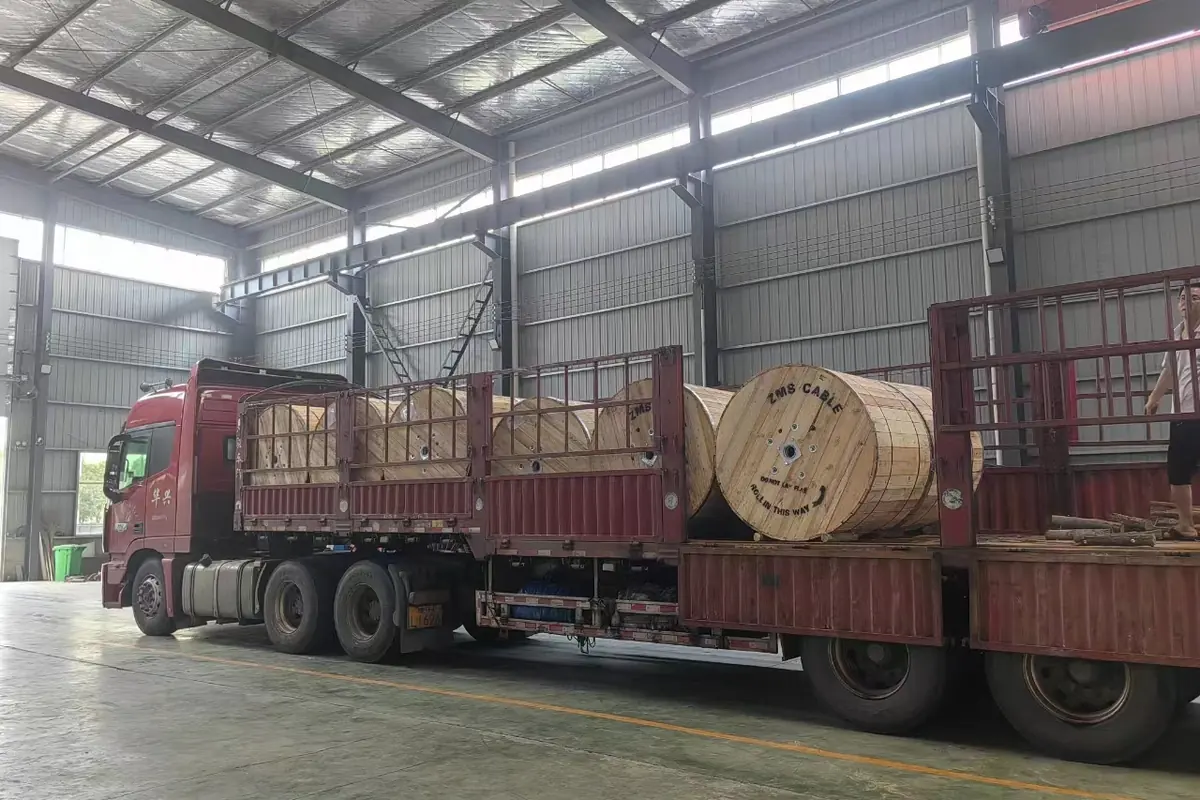
Routes, plant and project conditions from our own deliveries — the same inputs that decide the construction quoted for your line.
We will recommend the conductor family and construction, then quote the exact specification.